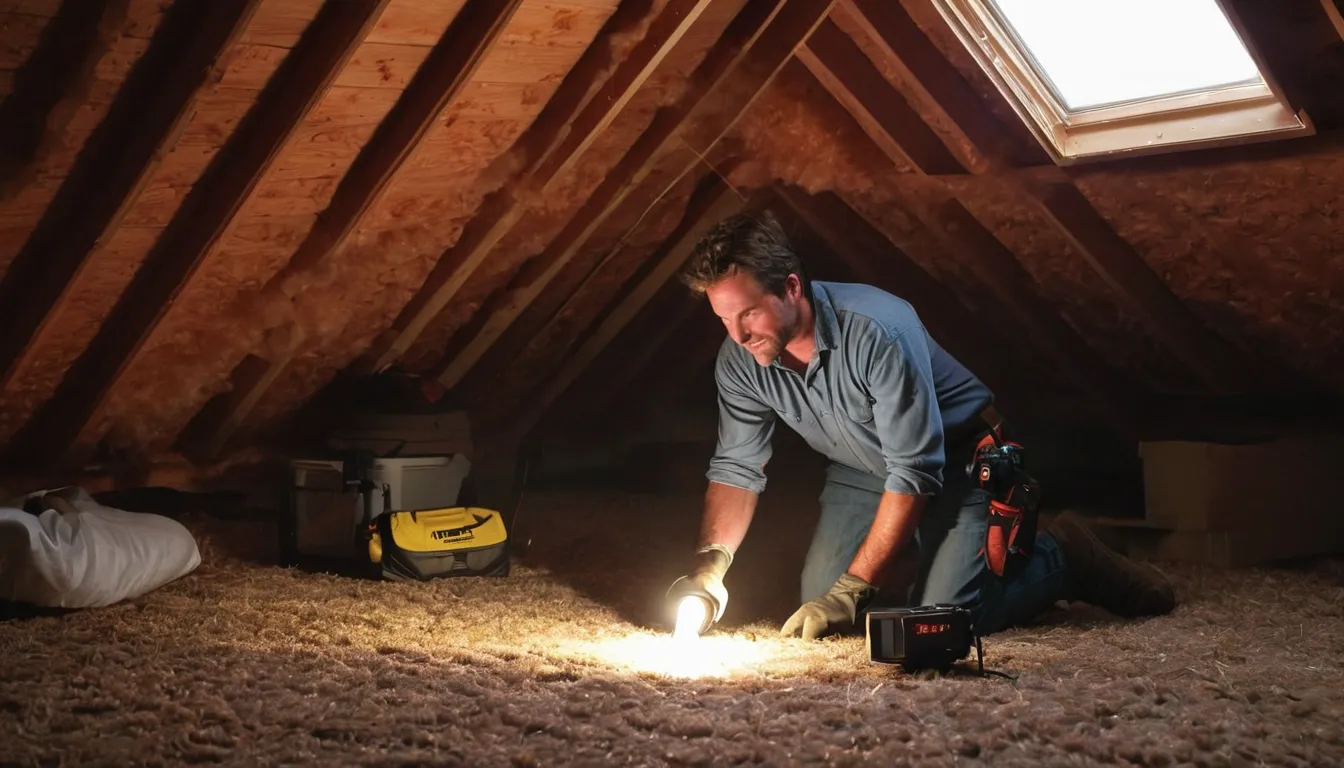
Hearing something run across the ceiling at night is unsettling, especially if you have never dealt with it before. The good news is that most rodent and wildlife problems follow a pattern, and you can learn it fast. Seal what you can, keep pets and kids away, and avoid poking at the problem.
Teachingdvd Pest Control is a referral service. The work itself is done by independent providers, not by Teachingdvd Pest Control. We connect homeowners in Austin, TX with providers in our network who handle mice, rats, squirrels, raccoons, and other animals. This page shows what you can safely do yourself, where to stop, what removal usually involves, and what to ask before you hire someone.
Animals in the Attic or Walls? Start Here
Stay calm. Most noises turn out to be mice, rats, or a squirrel. Here is your first hour.
- Keep kids and pets out of the area.
- Do not block any hole you see until you know nothing is trapped inside.
- Wear gloves if you touch droppings or nesting material.
- Write down what you hear and when.
Look before you spray. Sprays and foggers rarely fix a wildlife problem and can make a mess.
Why Waiting Makes It Harder
Rodents breed fast. A few mice can turn into a crowd in weeks. Wildlife can also have young in the attic, and that changes how removal must be done.
In hot, humid weather, a dead animal in a wall can smell bad quickly. Wet storm season also pushes animals indoors looking for dry shelter.
Signs You Have a Problem
Check for clues. You do not need tools, just a flashlight.
Sounds
Scratching, scurrying, or thumping in the ceiling or walls. Noise at dusk or overnight often points to rodents, raccoons, or flying squirrels.
Droppings and Rub Marks
Small dark pellets near baseboards, pantry corners, or attic insulation. Greasy smudges along walls show a regular path.
Chewed Items
Gnawed wires, boxes, pipe insulation, or food packaging. Chewed wiring is a fire risk, so treat it seriously.
Damage Outside
Check the roofline, soffits, and vents. Torn screens, bent flashing, and gaps near the roof edge are common entry points.
Common Animals Providers Handle
Providers in our network commonly work with:
- House mice and Norway or roof rats
- Squirrels and flying squirrels
- Raccoons and opossums
- Armadillos digging near slabs and foundations
- Bats, which often have special local rules
Many Gulf-climate homes have hot attics and vent openings that make easy entry points.
What You Can Safely Do Yourself
Know when to stop. For a few mice, you can often handle the first steps.
- Seal small gaps with steel wool and caulk.
- Wipe counters and store food in tight containers.
- Trim branches that touch the roof.
- Set snap traps along walls, away from pets.
Stop if you hear animals in the attic, see more than a few droppings, or find a nest. Those jobs need a provider.
How Removal Usually Works
Inspection
The provider looks for entry points, nesting areas, and damage. Expect them to check the attic, roofline, and crawl space or foundation.
Removal
Traps, one-way doors, or exclusion devices are common. The method depends on the animal and the season.
Sealing and Cleanup
Entry points get closed with sturdy materials. Many providers also offer cleanup of droppings and insulation, which may cost extra.
Humane Handling and Local Rules
Rules differ by state and city. Some animals are protected, and relocating wildlife may be restricted. Baby animals and bats often have seasonal limits.
Ask the provider how they follow local wildlife rules and whether they use humane methods.
Choosing a Removal Provider
A good provider explains the plan in plain words. Ask these questions:
- Are you licensed or permitted for wildlife work in this state?
- Is the quote written, and does it include sealing entry points?
- Do you offer a follow-up visit if animals return?
- How do you handle babies in the nest?
Be careful with a provider who only sets traps and never seals the entry. The animals will come back.
Keeping Animals Out for Good
Prevention is mostly small, hands-on chores.
- Cap chimneys and screen vents.
- Trim trees back several feet from the roof.
- Keep trash lids tight and pet food indoors at night.
- Check weatherstripping and garage door seals each season.
Ready to Talk to a Local Provider?
If you hear movement overhead or see signs of nesting, use the request form or Request a callback to check provider availability. Some policies may cover sudden damage from animals, so check your policy, and providers can often help document damage for a claim.
What's Included
Attic and Wall Inspection
A provider checks the attic, roofline, and walls to find where animals get in and where they nest.
Humane Removal
Traps, one-way doors, and exclusion methods chosen to fit the animal and local rules.
Entry Point Sealing
Gaps, vents, and rooflines get closed with durable materials to keep animals out.
Cleanup and Advice
Many providers can clear droppings and nesting material, and share simple prevention tips.
What Removal Typically Costs in the U.S.
Prices depend on the animal, how many are inside, and how hard the entry points are to reach. These are typical U.S. ranges only. Always ask for a written quote before work starts.
| Service | Typical range | Notes |
|---|---|---|
| Inspection | $75 – $300 | Sometimes applied to the job cost |
| Mouse or rat control | $200 – $700 | Often needs several visits |
| Squirrel removal | $300 – $800 | Depends on nests and entry points |
| Raccoon removal | $250 – $750 | Higher if young are present |
| Exclusion and sealing | $300 – $2,000 | Varies with roof height and gaps |
| Attic cleanup | $500 – $3,000 | Depends on insulation damage |
How It Works
Describe the Problem
Tell us what you hear or see, where it happens, and whether you have found droppings or damage.
Get Matched Locally
We connect you with a provider in our network who handles your kind of animal.
Review the Quote
Ask for a written plan that covers removal, sealing, and any follow-up visits.
Schedule and Follow Through
The provider does the work. Keep sealing small gaps and trimming branches afterward.
Why Call Teachingdvd Pest Control
Plain Guidance First
Learn what is safe to try yourself before you pay anyone.
Independent Providers
Providers in our network are local businesses that do the actual work and set their own prices.
No Obligation
Request an estimate and compare options without any pressure to book.
Local Know-How
Providers understand hot attics, storm-season pests, and the home styles common in your area.
Other Services
Need rodent & wildlife removal in Austin?
Tell us what you are seeing and where. Send a request or ask about provider availability, and a local provider can follow up with next steps.
No obligationRodent & Wildlife Removal FAQ
How do I know if I have mice or rats in my attic?
Listen for scratching at night and look for dark droppings, greasy rub marks, and chewed wires or boxes. Mice leave small pellets. Rats leave larger ones. A provider can confirm which animal it is.
Can I just seal the hole to keep animals out?
Not until you are sure nothing is inside. Sealing a hole can trap animals, including babies, which leads to noise, smell, and more damage. Have a provider check first, then close the entry.
Is wildlife removal covered by homeowners insurance?
It depends on your policy. Some policies may cover sudden damage caused by animals, but not the removal itself or slow wear. Check your policy, and ask the provider to help document damage for a claim.
Request a callback
Tell us what you are seeing and where. Send a request or ask about provider availability, and a local provider can follow up with next steps.
No obligation